Records of Sustainability (ROS)
Craft a captivating title for this section to attract your audience.
SUPPORTING COMPLIANCE ACROSS SUPPLY CHAINS
Each marketing year, SSE establishes the total volume of sustainable corn produced in the U.S. under the SAP framework. These volumes are then incorporated into the Sustainable Sorghum Exports platform to enable the issuance of shipment-specific Records of Sustainability. [Line break] Each ROS allows sorghum exporters and importers to record and track the volumes of sustainable sorghum trader within their supply chains, using a mass-balance approach.
DO YOU WANT TO VALIDATE YOUR ROS?
Briefly describe what the form is for or provide additional context if required. Use inviting language.
SUSTAINABLE SORGHUM VOLUMES
Add a Short Title Here
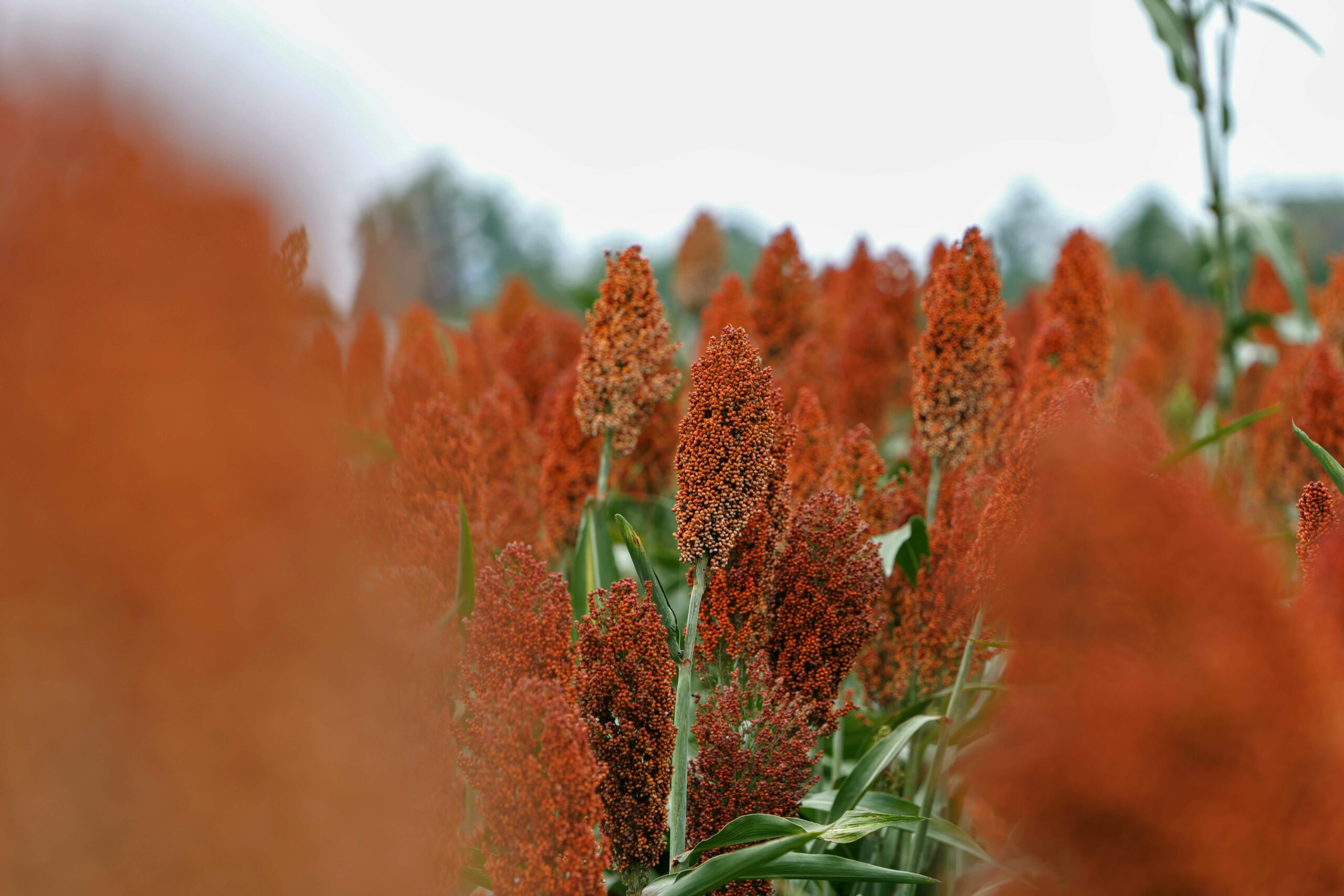
Corn producers declare to USDA, via Form AD1026, to be in compliance with the Highly Erodible Land Conservation and Wetland Conservation provisions.
Add a Short Title Here
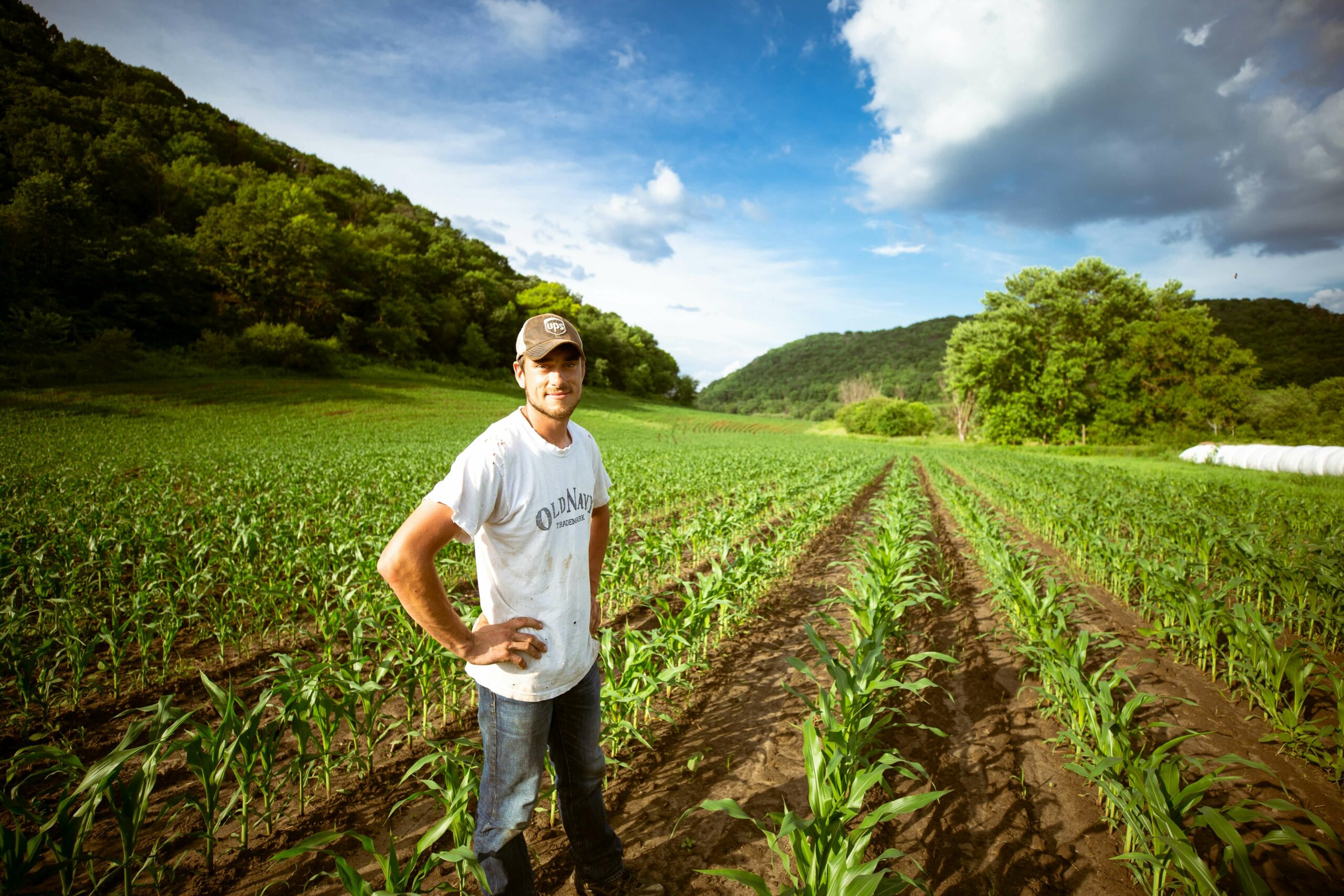
The total volume of sustainable corn in the SCE platform is derived from each marketing year’s corn yield and the total acres of U.S. corn reported annually by growers to be in compliance with USDA’s Conservation Compliance provisions.
CARBON FOOTPRINT FOR SHIPMENTS OF U.S. Sorghum PRODUCTS
In order to further support our supply chain stakeholders with their sustainability compliance requirements and environmental goals, Records of Sustainability for U.S. sorghum products can include an estimated carbon footprint for each shipment.
Add an overline text
SUPERIOR CARBON PERFORMANCE OF U.S. Sorghum
U.S. sorghum growers are at the leading edge of implementing production practices that lead to reduced impacts and improved environmental outcomes from their activities.
Conservation practices used widely by U.S. sorghum growers include crop rotations that reduce input requirements, cover crops that increase soil organic carbon, or the implementation of conservation tillage and efficient fertilizer practices that reduce GHG emissions from soil disturbance and fuel consumption.
The GHG emissions of U.S. Sorghum products included in the
GFLI database showcase carbon outperformance against most other origins
CARBON FOOTPRINT
The carbon footprint offered by SSE’s Records of Sustainability will be useful for companies starting to establish their Scope 3 inventory and benchmark opportunities for improvement.
GFLI Estimations
GFLI estimations are derived from aggregate national data sets, which is why they can be higher than the GHG emissions that U.S. sorghum growers can and often achieve.
SUSTAINABILITY
If you are advanced in your sustainability journey and are interested in products with the lowest possible carbon footprint, make sure to talk to your supplier of U.S. sorghum and we can explore integrating more granular data.
TECHNICAL NOTES AND DISCLAIMERS: The carbon footprint estimation for U.S. corn products is calculated using GFLI’s national-level data from the ReCipe (Economic Allocation) LCA methodology’. Please see the GFLI Guidance Document for details on the methodology and boundaries for the different corn products covered by our Records of Sustainability. Emissions associated to transportation are not included in the estimated carbon footprint. The “GFLI Verified” claims on Records of Sustainability designate that the product life cycle data were found to be derived in accordance with the GFLI methodology. Sustainable Corn Exports LLC is responsible for all data associated with deriving the footprint calculated using version (24.10.06) of GFLl’s database and methodology. GFLI makes no warranties about the accuracy of its data or claims based on its data, is not responsible for reliance on GFLI Data or methodology, and does not endorse this or any product.