
SORGHUM SUSTAINABILITY
Craft a captivating title for this section to attract your audience.
Sorghum checks all the boxes. This giving grain is resilient and well suited to thrive in changing climates with uncertain growing conditions. It’s resistant to heat and drought, helps reduce soil erosion, improves soil health and conserves precious resources.
SAVING WATER

International buyers are increasingly looking for assurances of responsibly produced grains that can meet the environmental standards of high‑value global supply chains.
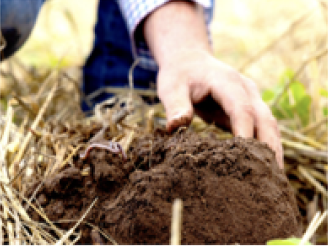
Building Soil Health
U.S. growers value sorghum for its water‑saving properties, soil‑building benefits, and nutrient‑rich profile, that supports robust ecosystems and their livelihoods.
Restoring Our Environment
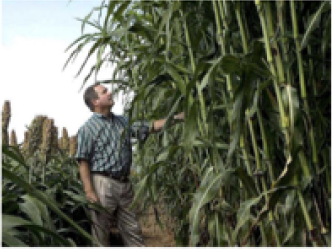
Sorghum removes harmful carbon from the atmosphere and stores it safely in the soil, cleaning our air and helping to fight climate change. The crop has a reduced carbon footprint through conservation tillage practices and nitrogen-use efficiency. Not only does this add to overall environmental health, it leads to greater profitability for farmers, as well.
Supporting Robust Ecosystems
Sorghum helps wildlife populations thrive as a preferred food choice for quail, pheasants and many other species of birds and deer. Its many leaves and sturdy structure creates wildlife habitat and protection from the elements during harsh winters and extreme summer heat.

A REsource Conserving Ingredient
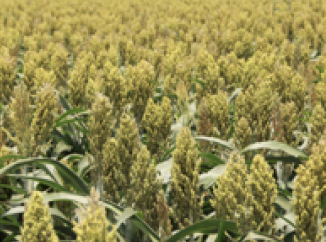
With its exceptional climate-smart and water saving advantages plus a robust nutritional profile that includes protein, iron, B6, niacin, magnesium and phosphorus, this super grain delivers double the value to the earth and the consumer.
OUR CORE QUALITIES

THE CROP
Desirable trains and inherent characteristics make sorghum particularly adaptable to climate challenges such as heat and drought, and result in higher performance as a sustainable food and feed ingredient, as well as bioenergy source.

THE PRODUCT
Sorghum is a highly versatile ingredient with unique nutritive qualities that also serves as a smart solution for environmentally-concerned consumers and companies.

THE PRACTICES
Sorghum producers are responsible stewards to the land and actively work to improve soil health and habitats through nerours practice including reduced tillage, water conservation, crop rotations and maximized residue.

Sorghum is…
A water-smart option for food, feed and fuel.

Sorghum is…
Positioning sorghum growers as leaders for agriculture’s role in sustainability.

Sorghum is…
Assuring farm-level influence and grower returns.
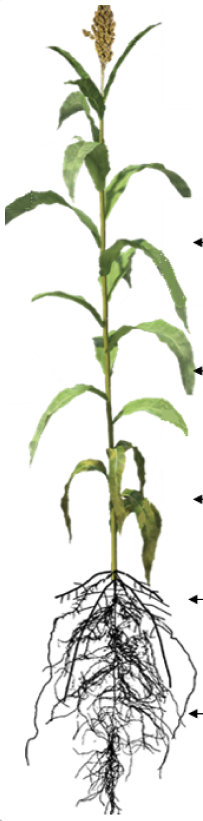
INHERENT ATTRIBUTES THAT CONTRIBUTE TO SUSTAINABLE PRODUCTION
High biomass production
Adverse environmental conditions and low inputs have a lower effect on biological productivity. Increased organic matter contributes to soil health.
Drought-responsive physiology
The plan can more rapidly close it’s stomata during water stress, minimizing water loss while still maintaining essential physiological functions.
Reduced transpiration loss
Less water loss due to smaller, thicker leaves and waxy coating
High water efficiency
Growth under limited water availability conditions, more biomass per unit of water consumed
Deep root system
Plan resilience (access to water and nutrients), reduced soil compaction and erosion, increased stability and water infiltration.
U.S. Sorghum Grower’s Production Practices
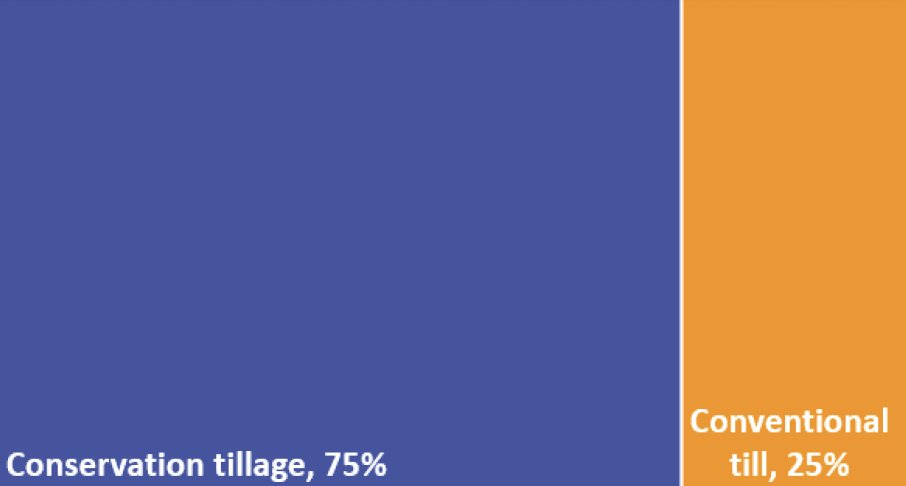
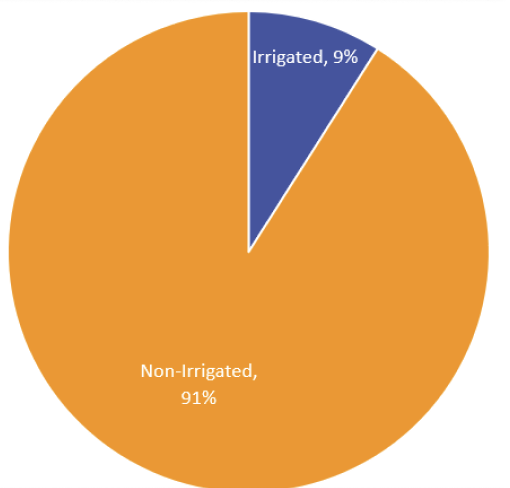
More rainfed acres mean increased water conservation
Broad adoption of conservation tillage means:
Healthier soils
Improved soil structure, organic content, nutrients, infiltration,etc.
Less GHG emissions
Increased soil organic capture-SOC, and reduced fuel consumption

FOR environmental health
• Nationally, 91% of sorghum acres are rain-fed, which results in 1.5 trillion gallons of irrigation water savings per year!”
• Sorghum farmers’ use of conservation tillage methods in biofuel demand areas can reduce air quality harming erosion by more than 7596.21
• Sorghum stalks left standing in the field add nutrients back into the soil, break up soil compaction, help retain moisture and reduce effects of wind erosion, improving soil health.
• Sorghum improves air quality by removing carbon from the atmosphere and safely storing it in the soil.”
• Sorghum-based ethanol is a clean-burning fuel that reduces particulate matter by 50%» and has a lower cost” of production compared to ethanol using other crops.
• Sorghum offers valuable characteristics as it relates to wildlife conservation. Its stalks provide critical habitat and ideal winter cover for pheasants and quail.